
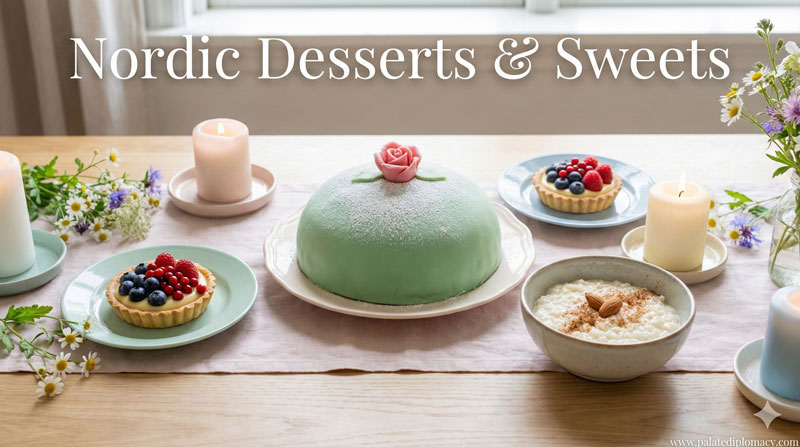
Why Travelers Are Falling in Love with Princess Cake
Travelers often search for A Taste that tells a country’s story. Prinsesstårta, or Princess Cake, offers that story in a single, elegant slice. It feels Like a quiet invitation to pause, breathe, and savor a moment of Swedish hospitality. The cake travels well in café windows and bakery cases, making it a welcoming first conversation about a place. Its popularity among visitors comes from its clarity of purpose: a dessert that celebrates craft, balance, and shared pleasure.
The Structure That Delights: Layers and Texture
The magic starts with structure. A few light sponge cake layers form the foundation. Between them lies a generous veil of vanilla pastry cream and softly whipped cream. The final, outer skin is a smooth layer of marzipan, often dyed a cheerful green and shaped with care. The result is a multi-layered harmony: airy sponge, creamy filling, and a satin finish that invites a gentle, precise slice. Travelers notice the contrast—delicate yet perceptible, simple yet refined. This balance makes every bite feel intentional and celebratory.
The Gentle Flavor Profile: Cream, Custard, and Marzipan
Princess Cake speaks in a voice of quiet sweetness. The sponge provides a faint, eggy aroma that carries the custard’s vanilla warmth. The pastry cream adds depth, while the whipped cream introduces a light, creamy lift. Marzipan contributes a soft almond note and a smooth, almost velvet finish on the tongue. The green outer layer isn’t just color; it signals freshness and a careful, artistic touch. The overall flavor stays approachable, inviting those who explore it to taste more without feeling overwhelmed. In short, the cake offers a refined, comforting sweetness that suits both morning coffee and afternoon tea.
Cultural Value: Celebration, Craft, and Community
Princess Cake is more than a dessert; it is a emblem of celebration and shared moments. It appears at birthdays, gatherings, and festive occasions, where families and friends come together to mark a time in a calm, joyful way. The cake’s design reflects a culture that values presentation and hospitality: a neat exterior, well-balanced fillings, and thoughtful decoration. In cafes and bakeries, bakers display pride in technique and tradition, inviting patrons to partake in a daily ritual of care. This combination—craft, ceremony, and communal joy—gives the dish cultural resonance that travelers can feel as they sample it.
The Craft Behind the Cake: Skill and Tradition
The artistry behind Princess Cake rests on precision and patience. Bakers temper sponge height to ensure even layers. They spread pastry cream and whipped cream with clean lines to create a seamless interior. The marzipan exterior demands a smooth, even surface and a gentle touch to avoid cracking. Cooling times matter: the cake must rest so flavors meld and the structure holds its shape. This discipline echoes a broader Food Culture that prizes mastery, consistency, and a respect for ingredients. Travelers often recognize this craft in every slice, appreciating the quiet expertise that underpins the dessert’s elegance.
Travelers’ Experience: A Slice of Nordic Hospitality
For visitors, Princess Cake offers a gentle introduction to Nordic dessert culture. It travels easily in small portions, making it perfect for sharing with companions or savoring solo over a hot beverage. Its flavor profile is forgiving yet layered, inviting comparisons with other classic desserts while clearly speaking with its own regional voice. In busy city cafés or tranquil bakery corners, the cake becomes a prompt to slow down and observe small details—the gleam of marzipan, the evenness of cream, the soft crumb of the sponge. Such moments create lasting impressions of Swedish hospitality and culinary care.
Practical Tips: Sourcing, Serving, and Pairings
- Look for Princess Cake in well-tuned pastry shops or respected cafés that emphasize presentation and tradition.
- Serve it at room temperature or slightly chilled to maintain the cream’s softness and the marzipan’s smooth texture.
- Pair the slice with a medium roast coffee or a milky tea to complement the almond notes and the vanilla sweetness.
- If you’re sharing, offer a light, crisp accompaniment such as berries or citrus zest to brighten the plate.
- When ordering, enjoy the slice with a slow pace so you can appreciate the balance between filling, sponge, and marzipan.
Concluding Reflections: A Dessert that Bridges Taste and Tradition
Princess Cake stands as a vivid example of how a single dessert can carry cultural value and culinary significance across borders. It invites travelers to observe the care given to layers, texture, and color. It rewards those who pause to appreciate the craft, the tradition, and the shared joy of a well-made treat. In every bite, there is a gentle bridge—from kitchen craft to café culture, from local celebration to international curiosity. For visitors seeking a meaningful taste of Swedish food culture, Princess Cake offers a welcoming portal: elegant, approachable, and endlessly inviting.