
Why Travelers Are Falling in Love with Pulao
Travelers discover Pulao as a warm invitation to place and palate. It arrives as a fragrant, one-pot dish that travels with the cook’s memories and local ingredients. Each bite feels Like a small tour through markets, homes, and shared tables. The dish invites curiosity, yet remains comforting and recognizable.
What Is Pulao?
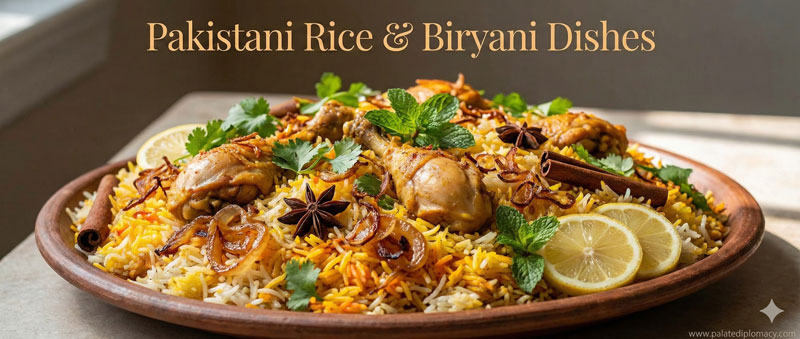
Pulao is a rice-based dish prepared with stock or water, gentle heat, and spices. The rice absorbs the flavors as it cooks, yielding tender grains and a fragrant aroma. Vegetables, nuts, or meat often join in, but the core is a balanced harmony of spice, rice, and liquid. It differs from some layered versions by focusing on even, steady simmering and a soft, cohesive texture.
Cultural Ties and Hospitality
Pulao shines in gatherings and everyday meals alike. It is a dish of sharing, where multiple generations may contribute a pinch of spice or a handful of vegetables. The act of serving a warm pot signals welcome and care. In markets and home kitchens, the scent of cumin, cardamom, and bay leaves greets guests and invites conversation. The dish embodies hospitality, memory, and daily life in many communities.
The Layered Flavor and One-Pot Technique
Flavor comes from simple, thoughtful steps. First, cooks toast spices to wake their oils. Then they sauté aromatics like onions or garlic until sweet. Next, rice joins and absorbs those flavors before the liquid is added. Finally, the dish rests so the grains finish steaming in their own steam. This method yields a cohesive texture where every grain carries a gentle thread of spice.
Regional Variations Across Places
Across regions, pulao reflects local tastes while sharing a common technique. In some places, saffron or turmeric adds warm color and aroma. In others, dried fruits or nuts provide a delicate sweetness and crunch. Fresh herbs, peas, carrots, or chickpeas adapt the dish to seasons and markets. Though names and tiny details differ, the core experience remains: fragrant rice, balanced seasoning, and a satisfying glow at the table.
The Traveler’s Experience: Aroma, Texture, and Memory
Travelers often remember pulao by its aroma first. The spices mingle with steam, inviting a close, appreciative sniff. The texture—soft, separated grains with gentle bite—offers comfort after long journeys. Eating pulao in a cozy guesthouse, a bustling market stall, or a family kitchen makes the moment feel rooted in place. The dish acts as a friendly bridge between food and landscape.
How to Cook Pulao at Home
A simple path to home pulao keeps the magic alive. You can start with these steps:
– Rinse the rice and soak briefly for even cooking.
– In a pot, heat a little oil or ghee and toast spices to bloom their aroma.
– Sauté onions until they glow gold, then add rinsed rice.
– Pour in hot stock or water, season, and bring to a gentle simmer.
– Cover and cook until the rice is tender and fluffy, then let it rest.
– Finish with optional additions like vegetables, nuts, or saffron for color.
Tips: small adjustments in spice quantity and liquid level tailor the dish to your taste and ingredients.
Pulao in Modern Global Cuisine
Today, pulao threads through diverse menus as a healthy, flexible staple. Chefs experiment with plant-based versions and sustainable ingredients while honoring traditional methods. The dish adapts to bowls, plates, or sharing platters, always highlighting the beauty of simple rice elevated by fragrance and balance. Travelers enjoy–and contribute to–this evolving dialogue between place, palate, and technique.
Embracing Pulao: A Simple, Respectful Table
Pulao celebrates flavor made with care and a sense of place. It stands as a quiet ambassador of culinary craft, inviting everyone to taste the culture that shapes it. For travelers and locals alike, the dish offers nourishment, connection, and a moment of calm in a busy world. By discovering its variations, you discover how food can honor tradition while inviting personal creativity.