
Why Travelers Are Falling in Love with Pulao
Pulao is more than a dish. It is a doorway to memory, place, and careful kitchen craft. This post invites you to taste its cultural value and culinary significance. The experience rests in aroma, texture, and the patient art of layering flavors. For travelers seeking a comforting, authentic bite, Pulao offers a warm welcome and a story in every grain.
The Cultural Core of Pulao
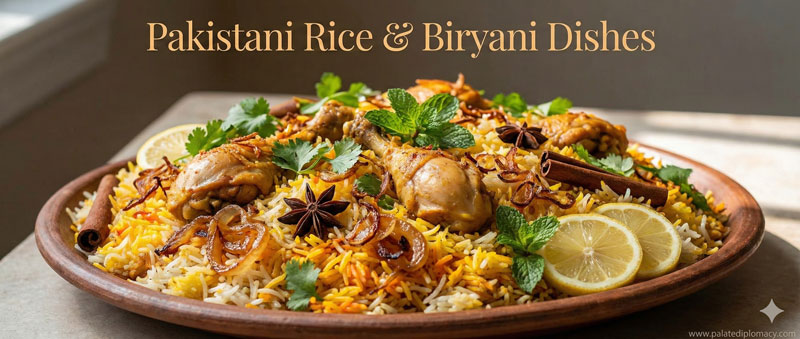
At its heart, Pulao weaves rice with spices, herbs, and sometimes nuts. It favors balance: fragrance from cumin, cardamom, and saffron; soft, separate grains; sweetness from caramelized onions. In many kitchens, it serves as a centerpiece, not a garnish. Travelers notice its quiet dignity, as if each grain holds a small memory. The cooking moment—sizzling onions, the bloom of spices—feels Like a friendly invitation to come closer.
The Craft of Layering and Dum
The magic of Pulao lies in layering. First, rice is rinsed and softened. Then, a melody of spices and aromatics is awakened in ghee or oil. Next, vegetables, meat, or legumes join the scene. The lid goes on, and the dish steams gently. This dum style, common in several regions, traps steam to finish the rice with tenderness. The result is grains that glide apart with a light touch, not a clump. The technique speaks to patience, care, and a shared kitchen rhythm.
Regional Voices in Pulao
Pulao wears many regional voices, each with its own charm. Indian pulao leans on warming spices and subtle sweetness. Persian polo often features saffron and nuts, glistening with a jewel-like finish. Turkish pilav celebrates pulsing heat and nutty textures. Central Asian plov may carry carrots and meat in a robust, hearty profile. Across these voices, the dish remains a rice-based canvas where local spices, techniques, and seasonal ingredients paint the scene.
Aromas as a Cultural Language
Aroma is the first conversation. The scent of saffron, cumin, and browned onions promises comfort. Steam rises and tells you the dish is close. The aroma guides the palate before the first bite. When travelers inhale that fragrance in markets, kitchens, or homes, they sense hospitality and shared storytelling. The scent quietly maps a region and invites curiosity about how a meal travels from one table to another.
Meals and Moments: Social and Culinary Significance
Pulao appears at many kinds of gatherings. It marks celebrations, family meals, and weekend feasts. Its versatility lets cooks adapt to ingredients at hand, turning humble staples into a feast. For travelers, that adaptability is part of the allure: a dish that fits a roadside stop, a rustic inn, or a festive table. Pulao’s presence signals warmth, generosity, and a place to rest and enjoy company.
The Many Faces of Pulao: Variations and Flair
No single recipe defines Pulao. In each region, people shape it with local grains, vegetables, and techniques. Some versions favor fruit and nuts for sweetness, others emphasize meat for depth. A squeeze of lemon, a handful of herbs, or a crown of saffron can change the mood entirely. This versatility invites exploration and gives travelers a gentle road map to regional flavors without losing the core idea of airy rice crowned with spice.
Practical Notes for the Home Kitchen
Travelers who want to recreate Pulao at home can start with a simple balance. Rinse the rice until the water runs clear. Soak it briefly to help it cook evenly. Use a gentle heat and a single, steady simmer. Layer aromatics and spices, then let the steam finish the dish. Rest the Pulao after cooking; this helps the grains settle and bloom. Finish with a light dew of ghee or olive oil and a sprinkle of fresh herbs for brightness. Small steps, big aroma, lasting impression.
A Traveler’s Taste Map: Embrace the Journey
If you seek a dish that echoes places you’ve wandered, Pulao is a faithful companion. It honors tradition while inviting personal touches. Each bite feels like a small tour: fragrant, comforting, and endlessly adaptable. For travelers, Pulao offers not just flavor, but a sense of place, a moment of pause, and a connection to kitchens near and far. In that sense, the dish welcomes you again and again, wherever your travels lead.