
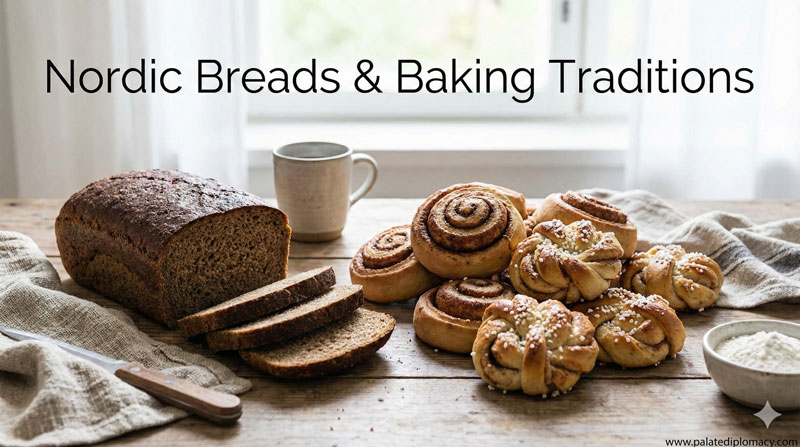
Why Travelers Are Falling in Love with Rye Bread
Rye bread has a way of inviting the curious traveler. The aroma alone can spark a memory of market stalls and bakery doors. Each slice reveals a sturdy crumb and a gentle tang. Travelers savor its honesty, a loaf that feels grounded and crafted with care. This dish connects daily meals to regional traditions in a single bite. It stands as a quiet ambassador of shared tables and simple pleasures.
The Craft Behind Every Slice
The magic begins with rye flour, water, salt, and time. Fermentation adds depth, and patience lightens the crumb. Some loaves fold in caraway seeds or a hint of sweetness from malt. Others rely on a long bake to deepen color and flavor. The result is a crust that crackles softly and a moist interior that holds its shape. This interplay of texture and aroma makes rye bread easy to recognize on any plate. Bakers often tell a story with each loaf, not through flour alone but through method and rhythm.
A Map of Colorful Crumb
Across Europe, rye bread wears many faces. In some regions, it is dark and hearty, built to endure a winter’s day. In others, it stays lighter, with a tender, open crumb that invites a quick bite on the go. Dutch, German, Polish, Nordic, and Baltic traditions each add a tweak, yet the core remains the same: rye as the backbone of the loaf. Crisp rye breads from the north offer a contrast to denser loaves baked in stone ovens. The diversity invites travelers to taste the same grain in different clothes, and that variety is part of the allure.
The Social Slice: Shared Tables and Morning Rituals
Rye bread often appears at breakfast or lunch, paired simply with butter, cheese, or a slice of meat. It carries the day’s first flavors with quiet confidence. Markets and bakeries showcase the bread beside warm soups, hearty stews, or bright jams. The act of slicing a loaf releases a familiar, comforting scent that signals hospitality. Travelers feel welcomed when a Local baker shares a tip about how best to enjoy a particular slice. The ritual is gentle, but it creates a connection that stays with a traveler long after the trip ends.
Culinary Significance for Travelers
For many, rye bread is a reliable companion on the road. It travels well, travels light on an open-air market bench, and adapts to different toppings. It pairs with salty cheeses, tangy pickles, and smooth spreads, making it versatile for quick meals and longer picnics alike. The bread’s sturdy structure makes it a natural vehicle for open-faced sandwiches, such as those beloved in Nordic and Central European kitchens. In this way, rye bread becomes more than food; it becomes a memory anchor for meals enjoyed away from home.
A Timeless Companion on the Road
In every bite, rye bread celebrates craft, regional character, and daily life. It invites travelers to slow down just enough to notice the crust’s crackle and the crumb’s whisper. The loaf’s quiet confidence helps plate after plate feel complete. By exploring rye bread, travelers discover how a single grain can unite taste, technique, and tradition. It remains a welcoming symbol of Food Culture—steady, flavorful, and endlessly inviting.