
Introduction
Atkilt Wat Is more than a meal. It is a quiet ambassador of hospitality, a dish that welcomes diners with warmth and color. As travelers move from city markets to family kitchens, they often find shelter in the gentle aroma of vegetables simmered with careful spice. This post celebrates its cultural value and culinary significance, inviting you to savor not just flavors but a tradition of shared tables and everyday generosity.
What Is Atkilt Wat?
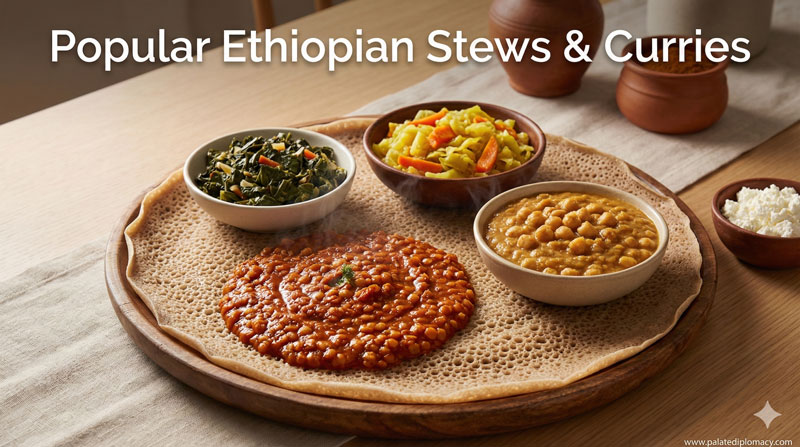
Atkilt Wat is a traditional Ethiopian vegetable stew. It centers on a bright mix of cabbage, carrots, and potatoes, often softened with onions and garlic. The pan is kissed with mild spices such as turmeric, cumin, and coriander, and sometimes a hint of chili for subtle warmth. The texture is tender but intact, allowing each piece of vegetable to tell its own story. The dish is commonly prepared with a light tomato base, a touch of oil, and a gentle simmer that melds the vegetables into a cohesive, comforting medley. In many homes, it is served with injera, the soft, spongy flatbread made from teff flour, which acts as both plate and utensil. The result is a colorful, nourishing dish that speaks to balance and patience in cooking.
The Technique Behind the Dish
Crafting Atkilt Wat begins with a quiet foundation: sautéed onions released to sweetness, followed by garlic and a careful blend of spices. The vegetables join the pan in stages, allowing each layer to soften without losing its character. A light stock or water bath keeps the mixture bright and heady with aroma. The goal is a lively, harmonious stew where cabbage retains a slight bite, carrots carry their natural sweetness, and potatoes offer comforting heft. The spices are measured to invite, not overpower, creating a gentle warmth that lingers on the palate. Clean, straightforward technique elevates the dish from simple ingredients to a ritual of home cooking that travelers remember fondly.
Shared Tables and Gursha
In Ethiopian food culture, meals are often shared from a central platter. Injera is laid out, and Atkilt Wat sits at the center, inviting all to scoop and mix. A beloved practice is gursha—the act of feeding a bite to someone with the right hand as a gesture of care and respect. This moment of giving and receiving deepens the sense of community at the table. The practice is gentle, yet it carries a powerful sense of welcome. As guests take turns joining the shared plate, the meal becomes a small ceremony that reinforces bonds and hospitality. For travelers, this experience offers more than sustenance; it offers a felt invitation into daily life and shared joy.
Color, Texture, and Flavor
Atkilt Wat is a study in balance. The vegetables provide color—pale greens from cabbage, bright orange from carrots, and the pale gold of potatoes—while the turmeric adds a warm yellow glow. The texture dances between tender and crisp, depending on cooking time and cut size. The aroma blends onion sweetness with toasty spices and a light citrus note from tomatoes or fresh herbs in some family recipes. Each bite offers a gentle depth rather than a sharp heat, making the dish inviting to a broad range of palates. This approachable, comforting profile helps explain why travelers often choose Atkilt Wat as a first tasting of Ethiopian home cooking.
Regional Expressions and Seasonal Notes
While Atkilt Wat follows a familiar blueprint, families adapt the dish to what’s fresh and available. Some versions add green beans or peas for extra color and bite. Others adjust the spice mix to reflect regional preferences, using slightly more cumin or coriander, or a touch of paprika for a smoky note. Seasonal produce can shift the dish toward lighter, springtime flavors with quicker simmering, or toward heartier, autumn profiles when vegetables are denser. The result is a living recipe that travels well within the country and remains flexible in households across regions. This adaptability showcases how a simple stew can carry regional pride while maintaining a shared identity.
Serving Traditions and Pairings
Atkilt Wat shines when paired with injera, which acts as both plate and utensil. The tangy, spongy bread contrasts with the stew’s gentle sweetness and helps balance the meal. Other stews, such as misir wot (lentil stew) or shiro (chickpea flour stew), are often served alongside, creating a colorful, multi-textured spread. A fresh salad or lightly pickled vegetables can brighten the plate and honor seasonal produce. To finish, a cup of strong Ethiopian coffee often accompanies meals, offering a fragrant close that lingers in memory. These serving traditions emphasize balance, companionship, and the slow joy of a well-assembled meal.
Why Travelers Are Drawn to Atkilt Wat
Travelers discover Atkilt Wat through sensory memory—aromas that recall market stalls, kitchens, and family gatherings. The dish offers clear, comforting flavors learned through everyday cooking, making it accessible to curious visitors. Its plant-forward profile respects diverse diets and can be enjoyed without heavy spice. The act of sharing from a common platter makes travelers feel welcome, creating instant connections through food. Finally, the dish embodies a timeless pace: prepare, simmer, share, and savor. This rhythm resonates with travelers seeking authentic, uncontrived meals that reveal a place through food.
Preserving and Celebrating a Living Tradition
Atkilt Wat is not a fixed recipe but a living tradition. Home cooks refine it with seasonal vegetables, personal memories, and family preferences. This evolving nature keeps the dish relevant and inviting for new audiences. To preserve the tradition, cooks pass down methods and tips—How to slice cabbage for the best texture, when to add spices for the gentlest warmth, how long to simmer for the ideal balance of flavors. Sharing these methods sustains cultural heritage in everyday life and in the kitchens of visitors who carry the experience back home.
A Gentle Invitation to Experience
If you’re curious about Ethiopian food culture, start with Atkilt Wat. Observe how simple vegetables become a celebration of seasonality and care. Notice the quiet act of sharing and the care that goes into each bite. This dish invites you to slow down, to notice color, aroma, and texture, and to appreciate the hospitality that welcomes all to the table. By savoring Atkilt Wat, you step into a tradition that honors family, community, and the beauty of everyday cooking. May your next tasting be a doorway to warmth, curiosity, and connection.