
Discovering Atkilt Wat: A Window into Ethiopian Hospitality
Atkilt Wat welcomes travelers with a warm, honest flavor. This dish is a bright, comforting stew of vegetables that sings with everyday care. In Ethiopian kitchens, Atkilt Wat sparks conversation and smiles around the table. Its name tells the story: “atkilt” means mixed vegetables, and “wat” means stew. The result is a platter of harmony—a simple, seasonal chorus that invites sharing. For visitors, the dish offers a direct line to daily life, where food becomes a bridge between tastes, families, and gatherings. Its appeal lies in balance: tender vegetables, gentle spice, and a tomato-sweet depth that lingers. The overall effect is inviting, calm, and memorable.
What Goes Into Atkilt Wat
Atkilt Wat centers on a careful mix of vegetables. Common ingredients include potatoes, carrots, and cabbage, with onions and garlic forming the aromatic base. Ginger adds brightness, while turmeric gives a sunny color and a mild warmth. Some kitchens include green peppers or peas for additional texture and color. The dish often relies on a light, flavorful oil or clarified butter to carry the spices. Spices are present but restrained, so the vegetables shine. In many homes, a touch of tomatoes or tomato paste enriches the sauce. The result is a stew that remains gentle enough for a light lunch or a hearty dinner, yet layered with character that true cooks respect.
The Rhythm of the Kitchen: Technique and Texture
Preparing Atkilt Wat Is a steady, deliberate process. First, onions sauté until soft and amber. Garlic and ginger join, releasing perfume as they soften. Then spices like turmeric and coriander enter the pan, waking the sauce without overwhelming the vegetables. The vegetables go in next, each piece finding enough heat to soften while staying distinct. The liquid—the cooking broth or water—helps the colors bloom and the flavors mingle. Simmering time is enough to meld the ingredients but short enough to keep the vegetables tender. The final texture is a gentle harmony: melt-in-your-mouth potatoes, crisp-tender carrots, and a cohesive sauce that coats every bite.
Cultural Significance: Shared Meals and Hospitality
Atkilt Wat embodies hospitality in Ethiopian culture. Families often prepare it for gatherings, celebrations, and everyday meals alike. The dish is accessible and adaptable, inviting both cooks and guests to contribute. It serves as a unifying centerpiece, especially when many table companions prefer a light, plant-forward option. In addition, Atkilt Wat complements fasting traditions, when animal products are limited. It demonstrates how a meal can honor seasons, rhythms of life, and the care of those who cook. The aroma and colors tell a story of welcome, patience, and togetherness.
A Visual Celebration: Color, Aroma, and Balance
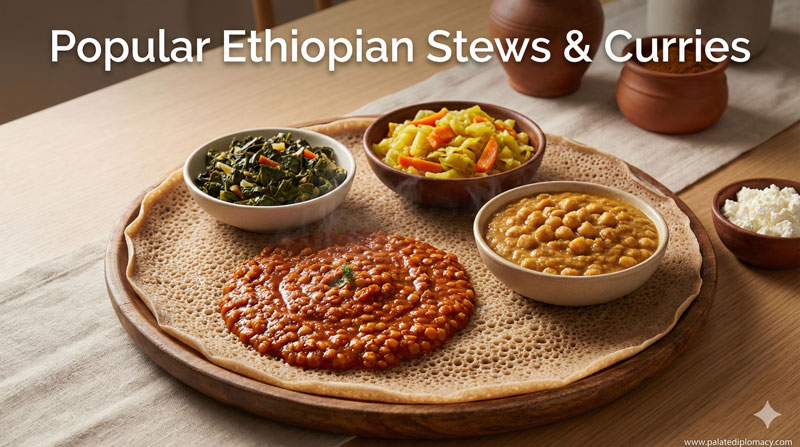
Color plays a key role in Atkilt Wat. The yellow-gold hue from turmeric brightens the pot, while the green from herbs and cabbage adds freshness. The brown of sautéed onions and the orange of carrots create a vivid plate that looks as inviting as it tastes. Aroma matters too. The scent of onions, garlic, and warm spices invites diners to linger at the table. The balance is deliberate: gentle heat, a touch of brightness, and a satisfying, soft-cooked texture. This visual and sensory harmony makes Atkilt Wat a dish that photographs well and tastes even better.
Serving Traditions: Injera as a Partner
Injera, the spongy teff flatbread, often accompanies Atkilt Wat. Diners tear pieces of injera and use them to scoop up the stew. This method turns every bite into a small, interactive ritual. Injera’s mild tanginess provides a friendly counterpoint to the stew’s warmth. Sharing injera creates a sense of participation and equality at the table. The practice highlights social harmony and mindful eating. It also shows how utensils are replaced by a soft, edible vessel that carries flavor with every lift.
A Traveler’s Lens: Why Atkilt Wat Captures the Palate
Travelers often seek dishes that reflect daily life and cultural values. Atkilt Wat offers just that. It is easy to imagine the cook’s routine: a busy kitchen, careful chopping, and a patient simmer that respects ingredients. The dish reveals how vegetables can be transformed through technique and timing. It also invites tasting that is calm and thoughtful, not hurried. For a traveler, Atkilt Wat provides a gentle gateway to Ethiopian cuisine—satisfying, nourishing, and culturally meaningful without fuss. The experience centers on savoring textures, aromas, and the cooperative spirit of the table.
The Language of Food: Why Atkilt Wat Feels Timeless
Atkilt Wat speaks in a language of shared plates and warm hospitality. It is rooted in everyday life, yet it shines during special moments. The dish demonstrates how simple ingredients can become memorable when treated with care. Its popularity endures because it is approachable and expressive. Diners feel connected to a tradition that values balance, patience, and generosity. In addition, its plant-forward profile makes it inviting for a broad audience, including travelers and locals alike. The result is a timeless dish that welcomes everyone to pause, taste, and appreciate.
Conclusion: A Dish of Warmth and Welcome
Atkilt Wat is more than a vegetable stew. It is a messenger of Ethiopian warmth, community, and culinary craft. The dish invites cooks to honor ingredients, techniques, and timing. It invites diners to slow down, listen to aromas, and share in a meal that feels Like a handshake across the table. For travelers, the dish offers a gentle, engaging entry into a culture’s everyday flavor. With its vibrant color, harmonious texture, and soulful hospitality, Atkilt Wat remains a favorite name in Ethiopian cuisine—an enduring representation of kindness on a plate.