
Why Travelers Are Falling in Love with Cardamom Buns
Travelers seek small moments of delight on their journeys. Cardamom buns offer one such moment. A warm, fragrant bite can slow time, spark curiosity, and invite a pause to savor place. The dish blends simple technique with a sense of craft that many bakeries celebrate daily. In this way, cardamom buns become more than a pastry; they become a shared ritual for people on the move.
The Aroma as Cultural Language
Cardamom releases a bright, citrusy, and slightly spicy aroma when heated. That scent travels ahead of the first bite, signaling hospitality and care. It whispers of cozy corners, friendly chatter, and a kitchen where ancestors taught a steady, patient method. When travelers smell cardamom in an oven, they glimpse a little map of places where spice and bread have long paired together.
The Dough, the Filling, and the Craft
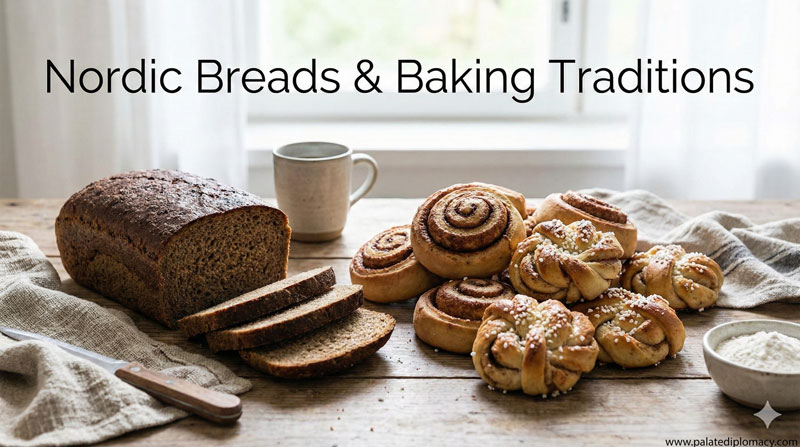
The core is an enriched yeast dough: soft, tender, and capable of carrying spice. The filling blends ground cardamom with sugar, sometimes a touch of vanilla or orange zest. The dough is rolled, filled, and shaped into spirals or buns. Then comes a glaze or a sprinkle of pearl sugar. Each step highlights balance: warmth without heaviness, sweetness with grace, and a light touch that keeps the crumb tender. The craft invites admiration, and travelers appreciate the care behind every fold.
Regional Echoes: Variations Travelers Notice
Different regions add their own voice to the cardamom bun. In Sweden, kardemummabulle is a cherished companion to coffee, often with a glossy finish. In Finland, cardamom is a familiar friend in pulla-style breads, lending a fragrant complexity. Other bakeries around Europe and beyond experiment with citrus zest, almonds, or a glaze that gleams like morning light. Yet the essence remains the same: a dough that holds spice, a soft crumb, and a comforting sweetness that travels well.
The Social Slice: Buns and Café Culture
Cardamom buns shine in social settings. They pair beautifully with coffee, tea, or a mug of cocoa. Travelers often encounter them in lively cafés, quiet bakeries, or seaside markets. Sharing a bun with a friend or a stranger creates a moment of connection. This social ritual is a timeless thread in many food cultures and a gentle reminder that good bread travels well.
Culinary Significance in Modern Baking
In today’s kitchens, cardamom bun recipes celebrate balance and technique. Bakers honor the yeast’s rise, the tenderness of the dough, and the aroma of spice. Sourcing responsible ingredients and maintaining fresh flavors are key, as cardamom can offer both depth and brightness. The bun also demonstrates how a single spice can unify pastry traditions with contemporary flair, inviting bakers and travelers to explore technique, texture, and aroma alike.
How Travelers Bring the Experience Home
- Seek bakeries that showcase cardamom buns with pride; notice the texture and aroma.
- Try a home version: enriched dough, cardamom-sugar filling, gentle rolling, and a light glaze.
- Pair with coffee or tea to echo café culture.
- Experiment with small twists, such as a hint of citrus zest or a delicate almond topping, while keeping the core spice front and center.
A Gentle Celebration of Flavor and Culture
Cardamom buns invite curiosity and comfort in equal measure. They honor craft, celebrate aroma, and welcome travelers into a moment of shared taste. The dish stands as a bridge between kitchens, markets, and cafés worldwide. For those who roam, it remains a friendly reminder that small pastries can carry big cultural value and culinary significance.