
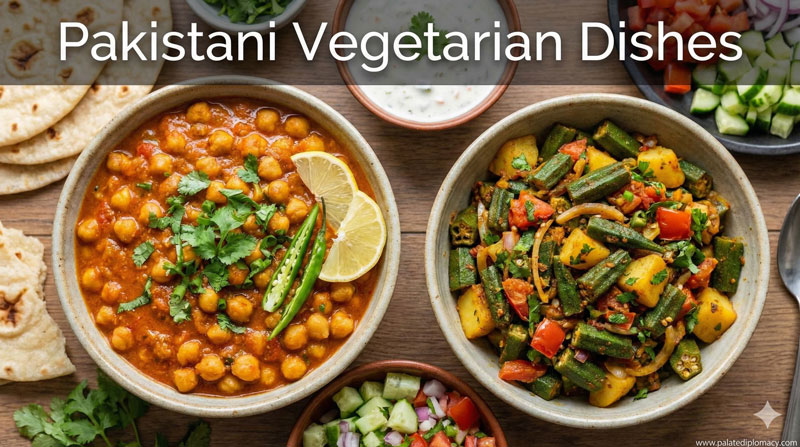
Why Travelers Are Falling in Love with Mixed Vegetable Curry
Travelers often find themselves drawn to a bowl of mixed Vegetable Curry. The dish speaks with a gentle confidence, inviting curiosity and comfort at once. It blends bright vegetables, warm spices, and creamy textures into a single, satisfying experience. For many, its appeal lies in accessibility and balance. It feels adventurous yet familiar, a welcoming introduction to a place through its market colors and kitchen aromas. In stories told by cooks and food lovers, the dish becomes a small bridge between faraway places and a traveler’s own table. The result is a memorable, respectful celebration of everyday cooking.
A Colorful Palette in a Bowl
A mixed vegetable curry showcases a vibrant array of produce. Carrots, cauliflower, peppers, peas, zucchini, potatoes, eggplant, or okra flash in a glossy sauce. Each vegetable contributes texture and taste, while its color hints at seasonal abundance. The colors are not just beautiful; they tell a practical story about what grows where and when. In many kitchens, the dish mirrors the local market on a plate. This visual richness invites the eye before the first bite. Travelers note the way the dish sustains a sense of place with every spoonful, making each meal a small, vivid journey.
The Spice Symphony
A warm, inviting aroma rises from the pot as spices mingle with onions and garlic. Common companions are turmeric for glow, cumin and coriander for depth, and a gentle chili kiss for brightness. A touch of mustard seeds or curry leaves can add a sharp snap, while garam masala can finish the dish with a fragrant kiss. Coconut milk or yogurt often offers a creamy counterpoint to the spices. This spice vocabulary is both familiar and new to travelers, delivering comfort and curiosity at once. The result is a fragrance that lingers, inviting conversation about where the dish comes from and How It travels.
The Craft of Layering Flavor
The technique behind a good mixed vegetable curry emphasizes layering. First, aromatics are softened to release their fragrance. Next, the vegetables are added to coat them with warmth before simmering. This gentle cooking lets flavors meld slowly rather than rushing to the finish. Finally, the sauce thickens and becomes glossy, linking every bite with a smooth, satisfying consistency. The method honors patience and balance, letting each component contribute without dominating. For travelers, this careful craft resonates as a thoughtful approach to cooking that values every ingredient.
Regional Variations and Local Identity
Across regions, the same dish can take on distinct personalities. Some kitchens use a tomato-forward base, while others lean on coconut milk for a creamier finish. The choice of vegetables shifts with climate and harvests, producing a soundtrack of local pride in every bowl. Spices may be milder in one place and bolder in another, reflecting culinary traditions and family recipes passed down through generations. This versatility makes the dish a living tapestry of regional identity, inviting travelers to taste how different communities honor their markets, seasons, and tastes.
Food as Social Fabric
In many cultures, meals are social rituals, and mixed vegetable curry often plays a central role. It appears on family tables, street stalls, and festive gatherings alike. Sharing a pot of curry builds a common experience, a sense of hospitality and welcome. The dish is frequently paired with rice or a flatbread, turning a simple meal into a moment of togetherness. For travelers, these settings offer more than sustenance; they offer glimpses into daily life, where meals are a quiet celebration of community, season, and good company. This social dimension elevates the dish beyond taste alone.
Pairings and Serving Traditions
The curry shines with complementary sides. Steaming rice lets each vegetable and sauce meet softly on the tongue. A warm flatbread, such as roti or naan, offers a different vehicle for the sauce’s richness. Fresh pickles or a crisp salad can provide a bright contrast that refreshes the palate. In some places, a squeeze of lime or a drizzle of herb oil adds a final lift. These pairings are not rigid rules but mindful choices that honor texture, temperature, and balance. Travelers often remember the harmony created by simple, well-chosen accompaniments.
Tips for Home Chefs to Honor the Dish
- Embrace freshness: select a variety of vegetables with different textures and colors.
- Build flavor gradually: start with aromatics, then add spices in stages to awaken each note.
- Respect the sauce: let the curry simmer slowly so the vegetables absorb and release flavors evenly.
- Adjust to taste: vary heat and creaminess to suit your preferences and ingredients.
- Keep it respectful: honor local ingredients and methods, even when adapting at home.
These practices help recreate the dish’s warmth and balance in any kitchen, inviting delight in every bite.
A Gentle Note on Appreciation
Mixed vegetable curry stands as a welcoming, versatile dish that travels well in the sense that it travels through taste, texture, and aroma. It invites curiosity about how ingredients come together, how markets shape a dish, and how small, careful techniques turn simple produce into a memorable meal. The cultural value lies in its accessibility, its celebration of seasonal produce, and its ability to connect people through shared flavors. Travelers find in this curry a reliable, comforting companion—an invitation to pause, savor, and appreciate the beauty of everyday cooking across places and people.
If you would like, I can tailor this further to highlight a particular region or set of vegetables, or add a short, step-by-step kitchen guide that keeps the focus on cultural significance while staying practical for home cooks.