
Why Travelers Are Falling in Love with Modern Tibs Variations
Travelers seek meals that tell a story. Modern tibs variations offer a dynamic, welcoming chapter in The Story of Ethiopian-inspired cooking. This dish blends warmth, skill, and playful innovation in a way that invites curiosity and comfort at once. As you read this, imagine the sizzle, the colors, and the aroma rising from a hot skillet. That is tibs in its essence: a celebration of scent, texture, and companionship.
A Flavorful Introduction
Tibs began as a home-cooked staple in Ethiopian kitchens. The name simply means “sautéed meat,” yet the technique carries much more meaning. Chefs and home cooks build layers of flavor from onions, garlic, and a bright mix of spices. The meat is browned quickly to seal juices, then finished with peppers, herbs, and a kiss of spice. In its modern form, tibs can be bold and simple or bright and inventive. Travelers encounter tibs as a living map of taste: familiar comfort, bold accents, and the thrill of discovering something new in a familiar shape.
The Craft of Tibs
Central to tibs is the technique. A hot pan or skillet ensures a rapid sear, which seals in juices and creates a caramelized edge. Aromatics release fragrance early, guiding the palate toward the main notes of the dish. Berbere, a cornerstone spice blend, adds warmth, heat, and a peppery kick. Niter kibbeh, a spiced clarified butter, often enriches the pan, lending depth and a subtle, nutty finish. Modern variations may temper heat with citrus, fennel, or fresh herbs, or heighten brightness with tomato and greens. Some cooks swap beef for lamb, chicken, or even seafood, while others honor vegetables with mushroom or tofu tibs. The result remains a quick, satisfying preparation that respects the core technique while inviting personal expression.
Modern Variations: A Taste of Versatility
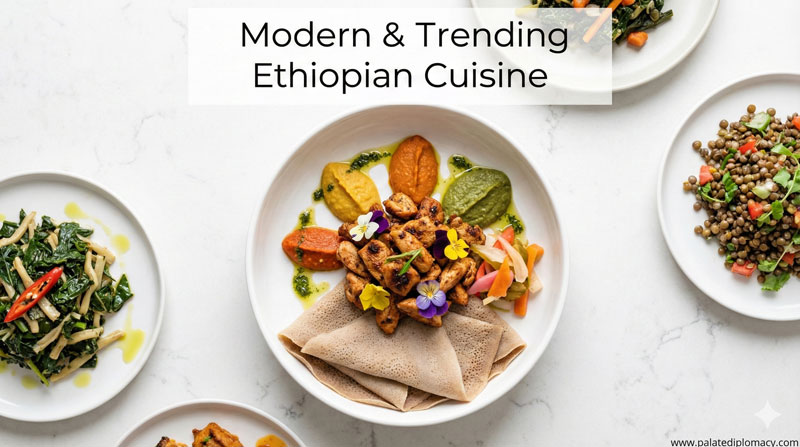
Travelers savor tibs not only for its core flavors but also for its flexibility. Beef tibs gain richness from a longer sear and a touch of smoked spice. Lamb tibs carry a grassy, game-soft profile that pairs wonderfully with mint, parsley, or dill. Chicken tibs bring a lighter, quicker bite with lemon zest or fresh chiles. Vegetarian and vegan versions shine with mushrooms, bell peppers, and tomatoes, or with chickpeas and tofu that soak up spice and aroma. Some cooks add a citrus glow—lime or orange peel—to lift the dish, while others finish with a drizzle of herb oil to bloom the top notes. A few modern riffs introduce tiny bursts of sweetness, such as roasted peppers or caramelized onions, to balance heat and savoriness. Tea-smoked tibs, soy-touched tibs, or paprika-kissed variations offer subtle bridges to diverse palates while honoring tibs’ core identity. Regardless of the variation, the dish remains lively on the plate and inviting at the table.
Cultural Value in Dining: Sharing, Rhythm, and Hospitality
Tibs sits at the heart of social dining. In Ethiopian meal culture, food is often shared, and the table becomes a stage for conversation, connection, and care. Injera, a sour flatbread, acts as both plate and utensil, inviting everyone to gather around the same array of flavors. The act of serving and receiving—often called gursha, where a bite is offered with a gesture of hospitality—signals warmth and inclusion. Modern tibs variations deepen this sense of community by offering accessible flavors and customizable heat levels, inviting travelers to explore with their companions. The dish also reflects a culinary ethos of balance: spice meets savoriness, warmth meets brightness, tradition honors creativity. That balance resonates with travelers who seek meals that feel rooted yet alive.
Travelable Taste: Where to Find and How to Savor
For travelers, tibs is a reliable doorway into Ethiopian flavors. Look for a skillet at the center of the table, sizzling and aromatic, paired with generous portions of injera. Try first with a small bite to gauge heat and sweetness, then sample a few bites across the platter to understand the layering of spices. In markets and family-run eateries, tibs is often made to order, giving you a chance to adjust spice and fat to your liking. Sides like lentil stews (misir wot) or collard greens can complement tibs with additional textures. If you encounter a vegetarian version, enjoy it with the same care for balance and aroma. When you travel, let tibs be a guide to the kitchen’s rhythms: the quick heat of a skillet, the careful timing of aromatics, and the pride in presenting a plate that tells a story through scent and color.
A Cultural Value Through Food: Craft, Memory, and Craftsmanship
Beyond taste, tibs is a vessel for memory and craft. The spice blends evoke geography and seasonality—the peppery warmth of berbere reminds us of markets, the brightness of citrus hints at harvests, and the richness of clarified butter echoes traditional kitchens. The dish demonstrates a culinary craft where timing and temperature matter. Travelers often leave with a gentle sense of having witnessed a kitchen’s heartbeat: the way ingredients come together in a hot moment, the way a cook tastes, adjusts, and invites others to participate.
The Sensory Journey: Aroma, Texture, and Color
Tibs offers a highly tactile experience. The sear creates a tempting crust, while the interior remains juicy. The mix of onions, peppers, and spices yields a sauce that clings to meat or vegetables, inviting the injera to soak up the sauce. The color palette—deep browns from caramelized onions, ruby reds from peppers, and the golden hue of fat—creates a visually inviting dish as well. For travelers, this multisensory appeal makes tibs a memorable encounter: sizzling sound, inviting aroma, rich texture, and a plate that glows with warmth.
A Gentle Invitation to Explore Further
As you plan your culinary journeys, consider tibs as more than a dish. It is a living tradition that evolves with every cook who adds a personal touch. The modern variations celebrate that evolution while preserving the core joy of a shared meal. Whether you are wandering a city’s lively restaurant row or sitting in a quiet kitchen, tibs welcomes you to taste, question, and enjoy. It is an invitation to explore spice, technique, and culture with open appetite and respectful curiosity.
In closing, why do travelers fall in love with modern tibs variations? Because the dish bridges comfort and adventure. It offers familiar techniques married to inventive twists. It invites conversation and sharing, and it always returns to the centerpiece: a hot skillet, a fragrant blend of spices, and a table eager for connection. Tibs celebrates the artistry of cooking and the joy of gathering, making It a cherished stop on many travel menus and a lasting memory for every palate it touches.