
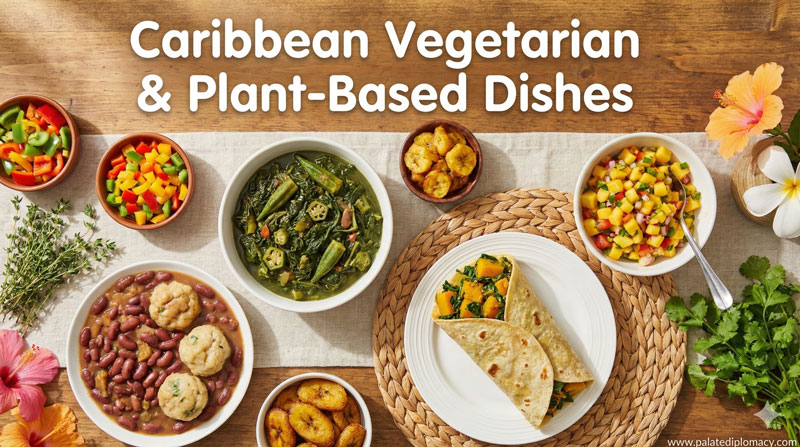
Introduction: A Taste of Everyday Hospitality
Travelers are drawn to vegetable roti for more than flavor. This humble dish carries a gentle hospitality in every bite. It appears in busy markets, cozy family kitchens, and welcoming street stalls, inviting visitors to slow down and savor the moment. The bread offers warmth, the vegetables bring color, and the blend of textures feels Like a friendly conversation between cook and eater.
The Humble Roti, Elevated by Vegetables
Roti is a round, soft flatbread made from whole-wheat flour, water, and a pinch of salt. When it meets a hot pan, it puffs with tenderness and a hint of sweetness from the grain. Vegetable roti takes this base and folds in sautéed vegetables, herbs, and spices. The vegetables can be carrots, peas, spinach, potatoes, or peppers, all brightened with cumin, coriander, turmeric, and a touch of chili. The result is a portable, versatile dish that remains simple at heart while offering a colorful, savory twist.
Texture and Aroma: The Culinary Signature
The signature of vegetable roti lies in mouthfeel and scent. The bread stays soft and pliable, with delicate caramelization along the edges. The vegetables provide a gentle bite and juicy notes that echo the spices. Toasted wheat, warm ghee or oil, and fresh herbs release an inviting aroma that signals comfort and care. Each bite blends earthiness with lift from herbs, creating a balanced, satisfying experience that travels well from kitchen to table.
Cultural Value: A Food That Connects People
Vegetable roti embodies everyday hospitality. It thrives in quick family meals, shared afternoon bites, and friendly conversations around a warm plate. The dish invites multiple generations to participate—kneading dough, chopping vegetables, and watching the roti puff on the pan. In markets and street stalls, vendors perfect the timing of rolling and cooking, turning a simple recipe into a joyful social moment. The result is a food that feels approachable, inclusive, and grounded in daily life.
Regional Variations: A Flavor Map
Across regions, vegetable roti gains character from local produce and herbs. Some versions emphasize leafy greens like spinach (palak roti) or fenugreek (methi roti), while others highlight sweet corn, peas, or grated root vegetables. Fresh coriander, mint, or dill can brighten the mix, and a squeeze of lemon or a dollop of yogurt adds brightness. Though the ingredients vary, the core idea endures: a soft bread paired with a vibrant, savory filling that reflects season and seasonality.
The Traveler’s Experience: Convenience and Adaptability
Travelers cherish vegetable roti for its practicality. It travels easily in a bag, reheats gently, and pairs with a wide range of condiments. It works as a quick lunch between trains, a meal at a bustling stall, or a comforting snack after a day of sightseeing. The dish invites customization, allowing a traveler to swap vegetables or herbs based on availability, season, or mood. This adaptability makes it a reliable, welcoming choice wherever the road takes you.
Pairings and Serving Traditions: A Meal in Moments
Vegetable roti shines with simple accompaniments. A cool yogurt dip or raita adds creaminess, while a bright chutney—mint, coriander, or tamarind—lifts the flavors. A tangy pickle or a drizzle of sesame oil can provide a contrasting note. For a heartier meal, serve roti with a warm dal (lentil stew) or a light vegetable curry. The pairing philosophy is straightforward: fresh vegetables, clean bread, and a touch of bright flavor to finish the plate.
Making It at Home: Techniques and Tips
- Start with a smooth dough: combine whole-wheat flour, a pinch of salt, and warm water. Knead until the dough is soft, then cover and rest for 15–20 minutes.
- Prepare the vegetable filling: sauté chopped vegetables with cumin seeds, a pinch of turmeric, coriander, and black pepper. Add fresh herbs at the end for brightness.
- Roll and fill (for stuffed roti): divide dough into balls, roll each into a circle. Place a thin layer of filling in the center, fold the edges over, and gently roll to seal. Cook on a hot pan until both sides show golden spots.
- Roll plain roti with topping (for a lighter version): roll the dough into a circle, spread a thin layer of the vegetable mix on top, and fold or roll as desired before cooking.
- Finish with a small touch of ghee or oil for aroma and gloss, if you like.
In Summary: Why It Resonates Across Cultures
Vegetable roti speaks to travelers and locals alike through its warmth, adaptability, and shared joy. It honors the craft of the home cook and the rhythm of daily life, while offering a canvas for regional flavors and seasonal vegetables. The dish celebrates nourishment, hospitality, and the simple pleasure of eating well together. In every bite, vegetable roti reveals how food can be both ordinary and remarkable, a small dish with a big cultural heartbeat.