
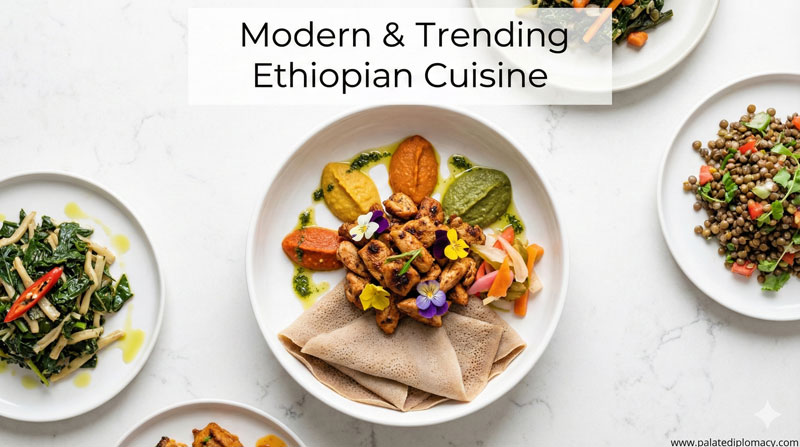
A Window into Ethiopian Hospitality
In Ethiopia, meals are more than nourishment; they are a daily welcome. Vegan Ethiopian bowls honor that spirit with warmth, color, and care. The bowls celebrate plant-based abundance, the brightness of spices, and the generosity at every table. This article looks at the cultural value and culinary significance, showing why these bowls feel so special on a Local level.
The Foundation: Injera and Teff
Teff, a tiny grain, gives injera its distinctive character. Fermented batter becomes a soft, spongy pancake that covers the plate. The bread itself serves as both utensil and canvas. Its tangy aroma links meals to tradition, inviting guests to dip, tear, and taste. When vegan bowls rest on injera, the dish becomes a living ritual: one bite blends bread, grain, and greens into a single harmonious moment. This foundation reflects careful farming, patient fermentation, and communal craft.
A Palette of Plant-Based Stews
A vegan Ethiopian bowl usually centers on a trio of flavors: hearty legumes, roasted vegetables, and fragrant spices. Misir wat (red lentil stew) offers warmth and depth; shiro (chickpea flour stew) adds creaminess; gomen (collard greens) gives bright bitterness and bite. A touch of berbere spice harmonizes heat with aroma, while oil or clarified butter substitutes keep the dish plant-based. Each component brings its own texture and color, creating a balanced, satisfying plate that remains faithful to plant-focused tradition.
Texture, Balance, and Technique
Texture matters as much as flavor. Tender lentils mingle with silky shiro, while crisp greens provide contrast. The sour notes from injera cut through fried or roasted elements, creating a refreshing balance. Chewy injera, soft stews, and fresh greens form a layered experience that rewards careful cooking and timing. The technique echoes daily life: patience in fermentation, precise simmering of stews, and the artful arrangement that invites second bites.
Sharing at the Table: The Spirit of Community
The vegan bowl is a social dish. Families gather, eyes meet, and fingers explore the same platter. Torn injera becomes a utensil, and bowls are passed, shared, and enjoyed together. This practice highlights hospitality as a central value—bringing people closer, encouraging conversation, and honoring guests. The bowl becomes a bridge between generations, flavors, and stories, making the meal a memorable communal ritual.
Regional Flair and Seasonal Variations
Ethiopia’s regions shape the bowl in subtle ways. Coastal and highland areas may emphasize bright greens and tomato-based notes, while inland zones lean toward hearty lentils and earthy root vegetables. Seasonal produce—amaranth greens in one season, fresh cabbage in another—offers vary in color and texture. Across these variations, the vegan bowl remains a connective thread, linking farmers, cooks, and diners through shared taste and care.
A Celebration of Plant-Based Abundance
Beyond taste, these bowls celebrate nutrition. Lentils and chickpeas supply plant protein; greens contribute vitamins; teff gives iron and minerals. The combination supports fullness and energy, aligning with the Ethiopian appreciation for wholesome, everyday meals. The vegan bowl thus becomes a practical, treasured choice that respects both the land and the table.
A Cultural Narrative on a Plate
Ultimately, vegan Ethiopian bowls narrate a culture that values balance, generosity, and craft. They honor the land’s produce, the patience of fermentation, and the art of layering flavors. The result is not just food, but a daily celebration of Ethiopian culinary identity. By inviting curiosity and respect, the bowl opens a doorway to understanding a vibrant, delicious tradition.
A Gentle Invitation to Experience
If you seek a dish that is comforting, flavorful, and culturally rich, explore a vegan Ethiopian bowl. Observe how injera carries the meal, how spices awaken the senses, and how sharing turns eating into a memory. The bowl stands as a tasteful expression of Ethiopia’s culinary heart—rooted in craft, nourished by vegetables, and warmed by hospitality.