
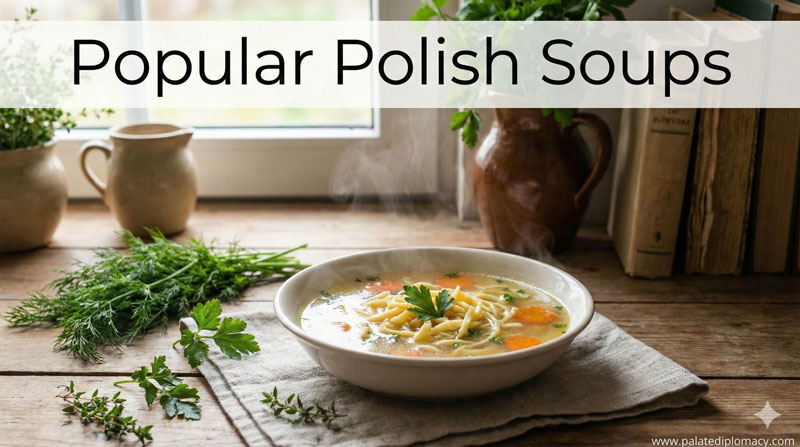
A Window into Polish Comfort: Zupa Pomidorowa
Zupa Pomidorowa, or Polish tomato soup, opens a warm door into everyday dining. This dish shines with a bright tomato fragrance, a creamy texture, and a gentle balance of herbs. It invites you to slow down, savor the aroma, and enjoy a moment of nourishment that families across Poland share with pride.
Cultural Value and Everyday Significance
in Polish kitchens, this soup is a dependable friend. It appears in family meals, school lunches, and cozy weekend gatherings. Its appeal lies in accessibility and adaptability: a simple pot, fresh or canned tomatoes, and a few pantry staples become a comforting bowl. The dish’s familiarity creates a quiet sense of belonging—an edible ritual that connects generations through taste and memory. When bowls arrive at the table, conversations begin, and everyone feels cared for by a well-loved recipe.
The Heart of the Kitchen: Ingredients and Preparation
The essence of Zupa Pomidorowa rests on a few honest ingredients. Start with onions and carrots sautéed in a little fat to build a fragrant base. Add tomatoes—fresh in season or rich from a can—and simmer until the flavors mingle. A light broth or stock forms the backbone, then a touch of cream or sour cream brings silk and softness. A pinch of salt, pepper, and a bay leaf tunes the depth, while dill or parsley adds a fresh green note just before serving. Some cooks enrich the soup with a small amount of rice or tiny pasta, which invites a satisfying bite and heartiness. The result is a soup that feels bright, comforting, and nourishing in every spoonful.
Variations That Speak to Seasons and Tastes
Zupa Pomidorowa wears many faces. In summer, ripe tomatoes sing, and the soup can lean toward a vibrant, lighter finish. In winter, a slightly richer base with more cream provides cozy richness. Vegetarian versions rely on vegetable stock for a clean, tangy tomato flavor, while meat-based versions might use chicken stock or a gentle meat addition to deepen the palate. Some cooks fold in a dollop of sour cream at the end for velvety texture, while others keep it lighter and dairy-free. This flexibility makes the dish a canvas for personal preference and seasonal produce.
Serving Traditions and Pairings
Traditionally, a bowl of Zupa Pomidorowa arrives beside a slice of crusty bread or a small serve of noodles, rice, or dumplings. A sprinkle of fresh dill or parsley offers a color chorus on top. The aroma invites you to dip bread and savor the tomato echo in each bite. The soup pairs well with a simple, honest menu: a crisp salad, a piece of grilled fish, or a modest sandwich. The pairing enhances the sense of care that the meal represents.
Tips for Modern Home Cooks to Honor Its Craft
To honor its craft, choose quality tomatoes or well-balanced canned tomatoes for depth. Sauté vegetables slowly to release sweetness, then simmer gently to meld flavors. Taste and adjust with salt, a touch of sugar if the acidity is bright, and a gentle swirl of cream or a dairy-free alternative if desired. When finishing, remove the bay leaf and add herbs at the end for a fresh lift. A mindful cook treats Zupa Pomidorowa as a warm welcome to the table, not just a soup, but a small ceremony of comfort.
The Allure of Tomato Soup in Polish Food Culture
Zupa Pomidorowa embodies the beauty of Polish food culture: straightforward ingredients, patient technique, and a recipe that travels lovingly from kitchen to kitchen. It celebrates the seasonality of tomatoes, the joy of shared meals, and the tiny rituals that make daily dining feel special. This dish teaches that warmth and flavor can arrive in a simple bowl, carried by hands that cook with care and hearts open to communal joy.
Closing: A Dish That Nourishes More Than the Body
In the end, Zupa Pomidorowa is more than a soup. It is a thread in the fabric of Polish Cuisine that ties family, memory, and culture together. With every spoonful, you taste hospitality, tradition, and the timeless beauty of a well-made tomato soup. Try it, and you may discover why so many people treasure this comforting, culturally rich dish.