
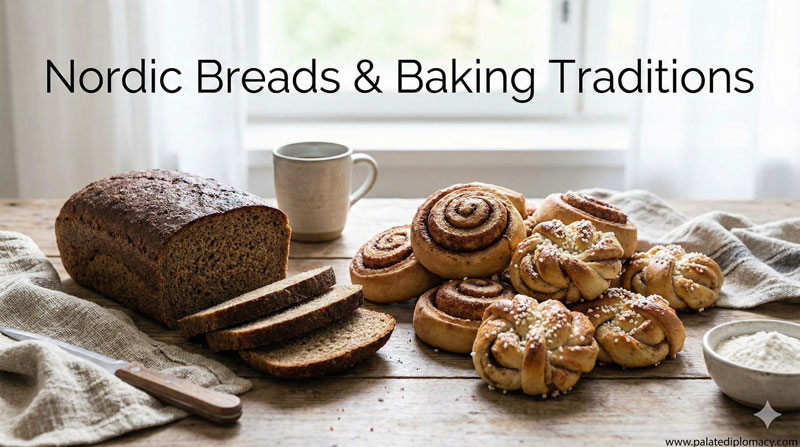
The Story Behind Cinnamon Buns, a Nordic Food Favorite
Cinnamon buns warm the heart of Nordic kitchens. They rise with a soft, layered texture and a scent that invites a moment of calm in a busy day. This dish embodies a simple elegance: butter, flour, sugar, and a gentle kiss of spice transformed through careful technique. The result is a treat that feels both familiar and special, whether shared at a café table or enjoyed at Home with a cup of coffee. The Story Behind Cinnamon Buns, a Nordic Food Favorite, is really a tale of craft, care, and a culture that savors small, joyful rituals.
In Nordic tradition, these buns are more than a pastry. They are a signal of hospitality and a catalyst for pause. Bakers welcome you with warmth, and families welcome friends with a plate of swirled goodness. The bun’s appeal rests in its balance: a tender crumb, a fragrant swirl of cinnamon, and a glossy finish that hints at the care given in the kitchen. The recipe often travels from grandmother’s kitchen to the modern bakery, yet the essence stays rooted in the shared pleasure of a well-made bun.
The Craft of the Dough
The dough is the quiet backbone of the experience. It begins with flour, milk, yeast, and a knob of butter. The dough is gently kneaded, then left to rise until it looks soft and rounded. After the first rise, a slab of butter is folded into the dough to create delicate layers. This lamination gives the bun its signature lightness and a pleasing, almost featherlike bite. The process rewards patience: folding, resting, and careful rolling build the familiar spiral and the satisfying chew.
A touch of spice enters early in the process. Ground cinnamon and a hint of cardamom warm the dough, offering a fragrant depth that distinguishes Nordic buns from other sweet breads. Some bakers also add vanilla for a subtle warmth. The technique and timing matter, but so does the environment. A steady temperature and a patient rise invite the dough to develop its best texture. When the dough is ready, it yields to the rolling pin, revealing long, buttery sheets ready to be filled.
The Filling that Delights the Senses
The filling is the story’s heart. Cinnamon meets brown sugar, and butter glides through the mixture, creating a paste that spreads as smoothly as silk. The swirl is not merely decorative; it guarantees distribution of flavor and moisture in every bite. Cardamom and vanilla often join the cinnamon to lift the aroma and add a whisper of spice that feels clean and bright. When the filling is spread evenly, the dough becomes a ribbon of sweetness that curls into a perfect spiral during baking.
As the rolls are formed, the anticipation grows. A neat line of spirals suggests careful work and pride in the craft. The tops may receive a glaze or a scatter of pearl sugar, depending on regional preference and bakery style. Each method highlights a different aspect of the bun: a gleaming glaze offers a glossy finish and a touch of sweetness on the outside, while pearl sugar provides a crackly crunch that contrasts with the soft interior.
Finishes, Texture, and Presentation
A well-made cinnamon bun offers a tactile contrast: a soft, airy crumb inside, a slightly crisp edge, and a glaze or sugar topping that completes the experience. The interior should soften with each bite, releasing the blended spices and butter into a comforting sweetness. The outside should gleam or shimmer lightly, inviting the first taste without overpowering the delicate flavors inside.
The presentation matters as well. A neat row of buns on a baking sheet or a display in a café case signals care and pride in the craft. The aroma alone can transform a room, drawing people together to share a moment of pleasure. In many Nordic cafés, the ritual of ordering and awaiting a freshly baked bun becomes a small ceremony—an invitation to slow down, savor aroma, and enjoy company.
A Staple in Nordic Cafés and Homes
Cinnamon buns are a staple in Nordic cafés, alongside the coffee that accompanies them. The pairing is almost ritual: a quiet moment of pause with an aromatic bite. At home, families often bake buns to share with neighbors, friends, and guests. The act of baking becomes a social moment, a way to connect through a shared love of good food. The aroma travels through the house, turning ordinary afternoons into a welcoming event.
This dish also features in seasonal celebrations and everyday routines. It travels into school lunches and office breaks, where its familiar flavor anchors a sense of continuity and comfort. The cinnamon bun’s versatility makes it accessible in many contexts: from a quick weekday treat to a centerpiece for weekend gatherings. Across households, the bun becomes a familiar signal of warmth and care.
Regional Variations Across Nordic Countries
Nordic countries celebrate the cinnamon bun with regional personality. In Sweden, the famous kanelbulle is a celebrated symbol of national coffee culture and is often enjoyed with a thumbs-up from a cheerful café vibe. Denmark offers kanelsnegl, a version with its own distinctive roll and sometimes a denser crumb. Norway presents skillingsbolle or similar varieties, which may feature slightly different spice balances or toppings. Each variation honors the same idea—the joy of spice, butter, and dough—while reflecting local preferences and bakery traditions.
These regional nuances demonstrate how a single concept can adapt beautifully to different kitchens and communities. The core technique—laminated dough, a cinnamon-filled swirl, and careful baking—remains the same, while the toppings, spice emphasis, and even the shape can vary. This flexibility is part of the dish’s enduring appeal and its capacity to unite diverse Nordic tastes under a shared culinary celebration.
The Social Moment: Sharing and Conversation
Beyond the recipe, the cinnamon bun becomes a social thread. People gather around a table to talk, share stories, and enjoy a bite together. The act of breaking bread and passing a tray from hand to hand reinforces connections. In this sense, the bun is more than food; it is a bridge between people, moments of quiet joy, and a celebration of togetherness. The soft warmth of each bite invites conversation, laughter, and a sense of belonging.
In cafés, staff artistry shines through in the care given to each bun. Bakers take pride in the evenness of the spirals, the shine of the glaze, and the balance of spice. Customers respond with appreciation, savoring not only the flavor but the moment of pause that accompanies a well-made pastry.
Culinary Significance and Contemporary Appeal
Cinnamon buns hold a respected place in Nordic culinary tradition because they fuse technique, flavor, and cultural meaning. They showcase the bakery’s craftsmanship—the careful lamination, precise filling, and attentive baking that yield a reliably tender crumb. They also demonstrate how simple ingredients can become something memorable through skill and patience.
Today, bakers experiment with the classic. Some incorporate whole-grain flours for a heartier texture, while others create lighter versions with smaller amounts of sugar. Still others add fruit zest or almond paste for a new dimension. Yet even with these modern tweaks, the essence remains: a warm, aromatic roll that invites you to slow down and enjoy the moment. The cinnamon bun’s adaptability makes It a beloved canvas for creativity, education, and shared joy in kitchens and cafés alike.
Embracing the Tradition
The Story Behind Cinnamon Buns, a Nordic Food Favorite, invites us to celebrate craft, flavor, and community. It reminds us that a well-made pastry can elevate everyday routines into occasions worth savoring. Whether you visit a bustling café or bake at home, you participate in a long-running tradition that values warmth, hospitality, and good company. The cinnamon bun stands as a small, enduring example of how food can bring comfort, delight, and connection to daily life.
If you wish to explore this dish further, start with the basics: a well-rated laminated dough, a fragrant cinnamon-spice filling, and a gentle bake that preserves tenderness. Then, invite a friend, pour coffee, and enjoy the moment together. In doing so, you participate in a Nordic culinary story that celebrates care, craft, and the simple joy of a perfectly swirled, perfectly shared treat.