
Introduction
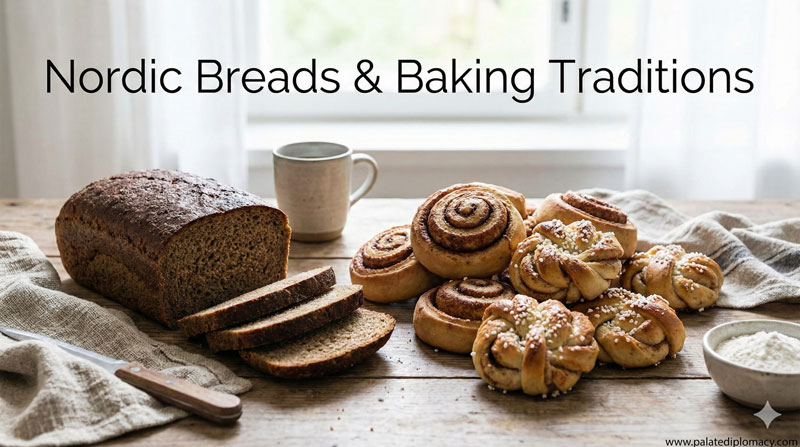
Cinnamon buns are a beloved staple in Nordic kitchens, celebrated not just for sweetness but for what they symbolize in daily life. They arrive warm from the oven, carrying the scent of vanilla, melted butter, and cinnamon that invites a moment of pause. This dish stands out because it reflects care, craft, and connection. It is a comfort food that travels beyond the plate to become a shared experience—an edible invitation to slow down, gather, and enjoy the simple pleasure of good company.
What Makes Cinnamon Buns a Nordic Favorite
Across Nordic countries, cinnamon buns have earned a special spot in the culinary imagination. They are familiar through family rituals, weekend routines, and coffee breaks that nourish conversation as much as the palate. The structure of the bun—soft, fluffy interior with a gently sweet, cinnamon-spiced swirl—creates a familiar texture that people look forward to. The design is practical, too: a dough that rises with patience, then rolled and shaped into a welcoming spiral that reveals itself as a small moment of delight with every bite. This balance of comfort and technique has helped the bun become a cultural touchstone, a tangible link between cooks and the kitchens they nurture.
The Rich Aroma: A Sensory Tradition
Aroma is central to the cinnamon bun’s appeal. The warm fragrance of cinnamon blends with butter and sugar to fill a room long before the first bite. In Nordic homes, that scent often signals a cherished pause in the day—whether it comes during a quiet afternoon, a bustling morning, or a social gathering with friends. The sensory experience is more than taste: it is a promise of hospitality, a signal that a moment of nourishment is being offered. The scent lingers, inviting conversation and shared memories, and it is this multisensory cue that makes cinnamon buns a recurring symbol of warmth and welcome.
A Coffee Break That Binds: Fika and Community
One of the strongest cultural associations is with the tradition of fika—the daily ritual of taking a break with coffee and something sweet. Cinnamon buns fit the fika mindset perfectly: they pair with coffee, they are portable, and they invite people to slow down together. Fika is less about a meal and more about a small, restorative pause that strengthens social ties. When friends, colleagues, or family share a batch of warm buns, conversation flows freely and a sense of belonging grows. This ritual elevates the bun from a dessert to a communal experience, enriching everyday life with a moment of connection.
Regional Voices: Across Nordic Kitchens
Nordic countries share a love for cinnamon buns, yet they also celebrate regional nuances. In Sweden, the traditional kanelbulle emphasizes a balanced sweetness and a smooth, glossy finish. In Denmark, kanelsnegle offer a tender crumb and a slightly lighter touch, reflecting local baking styles. In Norway, the buns may feature variations that align with regional grains or dairy richness, creating a familiar texture with unique twists. Across these kitchens, the core idea remains the same: a well-made bun that honors the craft, showcases quality ingredients, and invites shared enjoyment. This shared pride in a simple yet refined bake speaks to a broader Nordic culinary language—one that values consistency, warmth, and hospitality.
Dough, Filling, and the Craft of Baking
At the Heart of the bun is a yeasted dough that develops flavor and tenderness through careful handling. The dough is softly kneaded and given time to rise, a step that unlocks a cloud-like crumb. The filling—usually a cinnamon-sugar mixture with a touch of butter—creates the signature swirl that reveals itself as the bun is cut or formed. Some bakers add a whisper of cardamom for a bright, citrusy warmth that accentuates the spice without overpowering it. The final result is a layered, fragrant roll with a moist interior and a subtly crisp exterior, often finished with a gentle glaze or a light dusting of sugar. The technique emphasizes patience, precision, and respect for time-honored methods, making each bun a small testament to craft.
Seasonal Moments and Everyday Enjoyment
Cinnamon buns appear in both everyday routines and seasonal celebrations. They are an ideal companion to morning coffee, a comforting treat after a long day, and a bright note during gatherings that toast friendship and family. In winter, the aroma can warm a kitchen on cold days, while in spring and summer, they may be shared during weekend breakfasts or outdoor fairs. The versatility of the bun fits the rhythm of Nordic life: it is sturdy enough to travel to a picnic, delicate enough for an intimate family moment, and flexible enough to adapt to local tastes without losing its core charm. This adaptability reinforces the bun’s role as a cultural constant across changing seasons.
Pairings and Serving Traditions
Cinnamon buns pair beautifully with coffee, tea, or cold milk, depending on the moment. Some people prefer a glaze that adds a gentle sweetness, while others enjoy the bun with a savory bite of cheese—a tiny contrast that highlights the balance of flavors. Serving temperature matters: while many enjoy the bun warm, some prefer it just cooled to enhance the dough’s tender crumb. The ritual of serving itself—whether at a kitchen table, in a cafe, or during a family gathering—contributes to the bun’s cultural presence. These little choices around serving reinforce a shared identity centered on warmth, generosity, and a love of good, thoughtfully prepared food.
The Cultural Value and Culinary Significance
Cinnamon buns carry cultural value beyond their taste. They embody hospitality, patience, and the joy of shared moments. They reflect a baking heritage that values careful technique and the use of simple, high-quality ingredients. The bun teaches appreciation for light, airy dough, even sweetness, and the art of shaping with care. In many households, making cinnamon buns becomes a family activity—learning from elders, passing on methods, and creating new memories that future generations will savor. The dish serves as a culinary ambassador for Nordic warmth: a friendly face on a plate that invites curiosity, conversation, and connection. By centering the senses in everyday life, the cinnamon bun helps keep cultural memory alive in a tangible, delicious form.
Closing Thoughts
Top Reasons Nordic locals love cinnamon buns are rooted in comfort, craft, and community. The bun is more than a sweet treat; it is a quiet ritual that deepens friendships, marks daily moments, and honors traditional baking while inviting modern creativity. Its enduring appeal lies in the simple balance of a tender dough, a fragrant swirl of cinnamon, and the feeling of sharing something made with care. If you approach it with patience and a sense of curiosity, you’ll discover not only a delicious pastry but also a living piece of Nordic Food Culture—an edible reminder that good food brings people together in a spirit of warmth, respect, and joy.