
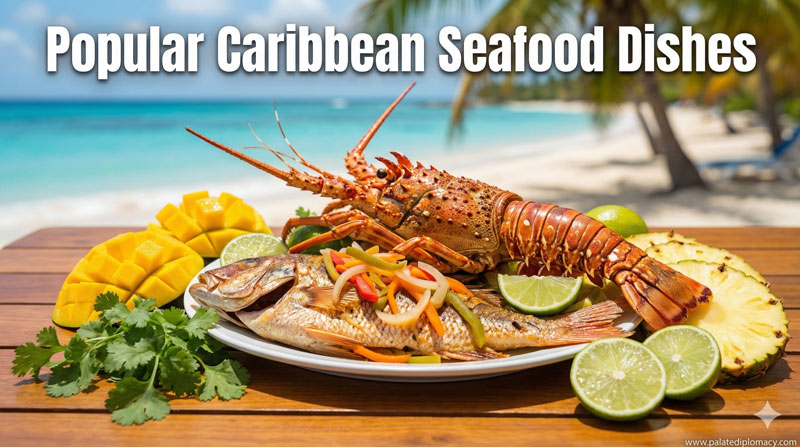
Why Grilled Lobster Is a Landmark in Caribbean Cuisine
Grilled lobster holds a special place in Caribbean kitchens and on sunlit shores. It is a dish that invites celebration and slows time for a moment of shared delight. The lobster’s pink and white shell signals a focus on freshness, skill, and warmth. In many coastal towns, families and friends gather around the grill, guiding the foaming butter, garlic, and citrus into the meat with care. This ritual—watching the flame, hearing the sizzle, tasting the perfect char—becomes a cultural anchor. Grilled lobster is more than a meal; it is a warm welcome, a memory in the making, and a quiet assertion of place in the region’s vibrant food scene.
The Ocean-to-Table Story
The Caribbean coastline provides a steady stream of premium lobster, often harvested by local fishers who know the rhythms of the sea. This direct connection from boat to table elevates the dish into a celebration of place. When markets fill with gleaming lobsters, cooks plan sauces that highlight the sea’s sweetness. The dish’s cultural value grows from this farm-to-fire relationship. Fresh catch, respectful handling, and rapid preparation preserve texture and sweetness. The result is a refined but unpretentious experience that honors the ocean and the hands that bring it ashore.
The Grill as a Social Stage
The grill is more than a cooking tool; it is a social stage in Caribbean life. On beaches, in village squares, and by family backyards, grilled lobster gathers people around heat and aroma. Conversations flow as easily as the butter, and stories mingle with music and laughter. The act of turning lobster over the grates becomes a cue for shared moments—checking for the perfect pink, brushing on a glossy glaze, and offering a piece to someone who arrived with a favorite music or a beloved recipe. This communal energy gives the dish its enduring cultural value: it unites generations, honors hospitality, and enhances everyday meals with a sense of ceremony and joy.
The Technique That Elevates Flavor
Caribbean grilled lobster shines because technique enhances natural sweetness without masking it. Cookers favor direct heat over open flames, using charcoal or hardwood for a subtle smoke. The lobster is often split, given a gentle splash of citrus, and basted with a seasoned butter that might blend garlic, lime zest, fresh herbs, and a touch of spice. The goal is balance: a crisp edge at the shell, juicy meat beneath, and a glaze that glows with the glow of the grill. The technique respects the lobster’s texture, ensuring the meat remains moist and tender while absorbing a gentle, smoky aroma. This balance—between fire, fat, citrus, and herb—defines the culinary signature of the Caribbean grilled lobster.
Flavor Notes That Define the Dish
Taste is the heart of why grilled lobster endures in the Caribbean palette. The meat offers sweetness and a mineral kiss from the sea, carried forward by a bright citrus hit. A well-made butter glaze delivers richness without heaviness, inviting the palate to linger on the planed garlic, citrus zest, and herb aromatics. Smoke from the grill adds depth, giving a toasted background that makes every bite feel grounded and festive. The dish also invites regional flair: a splash of lime and thyme in Jamaica, a touch of green seasoning in Barbados, or a hint of pimento in certain coastal preparations. Each variation adds texture to a common love for grilled lobster and reinforces its place as a regional favorite.
Regional Highlights: Caribbean Variations
Across the Caribbean, cooks adapt the lobster to local ingredients and tastes. In some places, a citrus-forward glaze arrives with lime and cilantro, bright and fresh. In others, a hint of spice and aromatic herbs echoes a broader culinary language that includes grilled seafood and meat dishes. Jamaica often brings a vibrant, herb-forward profile that balances bold flavors with a lively aroma. Barbados emphasizes a bright, zesty finish that sings on the palate. In Trinidad and Tobago, the dish may echo bright Caribbean spice blends, while Grenada or St. Lucia might feature richer, butterier notes that cling to the shell. These variations celebrate diversity within a common love for the grill, the sea, and the joy of gathering.
The Dish in Festivals and Everyday Life
Grilled lobster appears in both special occasions and everyday moments. It graces festival menus, outdoor concerts, and seaside eateries, but it also makes a regular appearance at family barbecues and weekend gatherings. The dish signals a welcome to guests and a chance to share in a Local craft—the careful grilling, the precise timing, the artful basting. It is flexible enough to fit a formal event or a casual beach lunch, yet it always carries a sense of pride. By existing in both grand and simple settings, grilled lobster demonstrates its broad cultural resonance: it belongs to the story of coastal life, to the skill of cooks, and to the warmth of Caribbean hospitality.
Sustainable Choices and Respect for the Sea
Sustainability deepens the cultural value of grilled lobster. Local markets and seafood programs encourage responsible harvesting, minimum waste, and careful handling. When cooks select lobsters with care and prepare them with respect for the animal and the environment, the dish becomes a living expression of stewardship. This mindful approach to sourcing and preparation aligns with the Caribbean’s long-standing practice of valuing the sea’s gifts while preserving its bounty for future generations. The result is a dish that tastes not only delicious but responsible—a reflection of community values in kitchens and on shorelines.
Pairings, Setting, and Storytelling
The beauty of grilled lobster extends beyond the meat. Side dishes—grilled corn, plantains, a bright salad, or a simple loaf of bread—complement the lobster without stealing its spotlight. Beverages like lime-infused water, a light beer, or a crisp white wine can elevate the experience, but the star remains the lobster itself. The setting matters as well: a gentler breeze on a balcony, a bright afternoon on a beach, or a lively evening in a harbor town. Each setting frames the dish with its own mood, turning a meal into a story about place, time, and shared pleasure.
A Closing Note: Grilled Lobster as a Cultural Ambassador
Ultimately, grilled lobster is a beloved ambassador of Caribbean flavor and spirit. It embodies a balance of sea-sourced freshness, fire-kissed depth, and community warmth. The dish invites us to slow down, savor texture, and celebrate craft in simple, luminous terms. Its cultural value lies in how it brings people together, how it respects the sea, and how it honors local ingredients and traditions. By tasting grilled lobster, we taste a coastline’s story—the patience of a good grill, the generosity of a seaside community, and the enduring charm of Caribbean culinary culture.